Protecting Your Home Beyond the Roofline
Siding Installation in Cedar Hill for homes needing full exterior replacement after weather damage or failed siding systems
Quick Roof Repairs installs siding systems in Cedar Hill that protect your home from moisture intrusion, improve insulation performance, and withstand the temperature swings and storm activity common across North Texas. You're replacing a system that's either failing visibly or no longer performing the way it should, and the new installation needs to address both the cosmetic damage and the underlying vulnerabilities that let water reach your sheathing or framing.
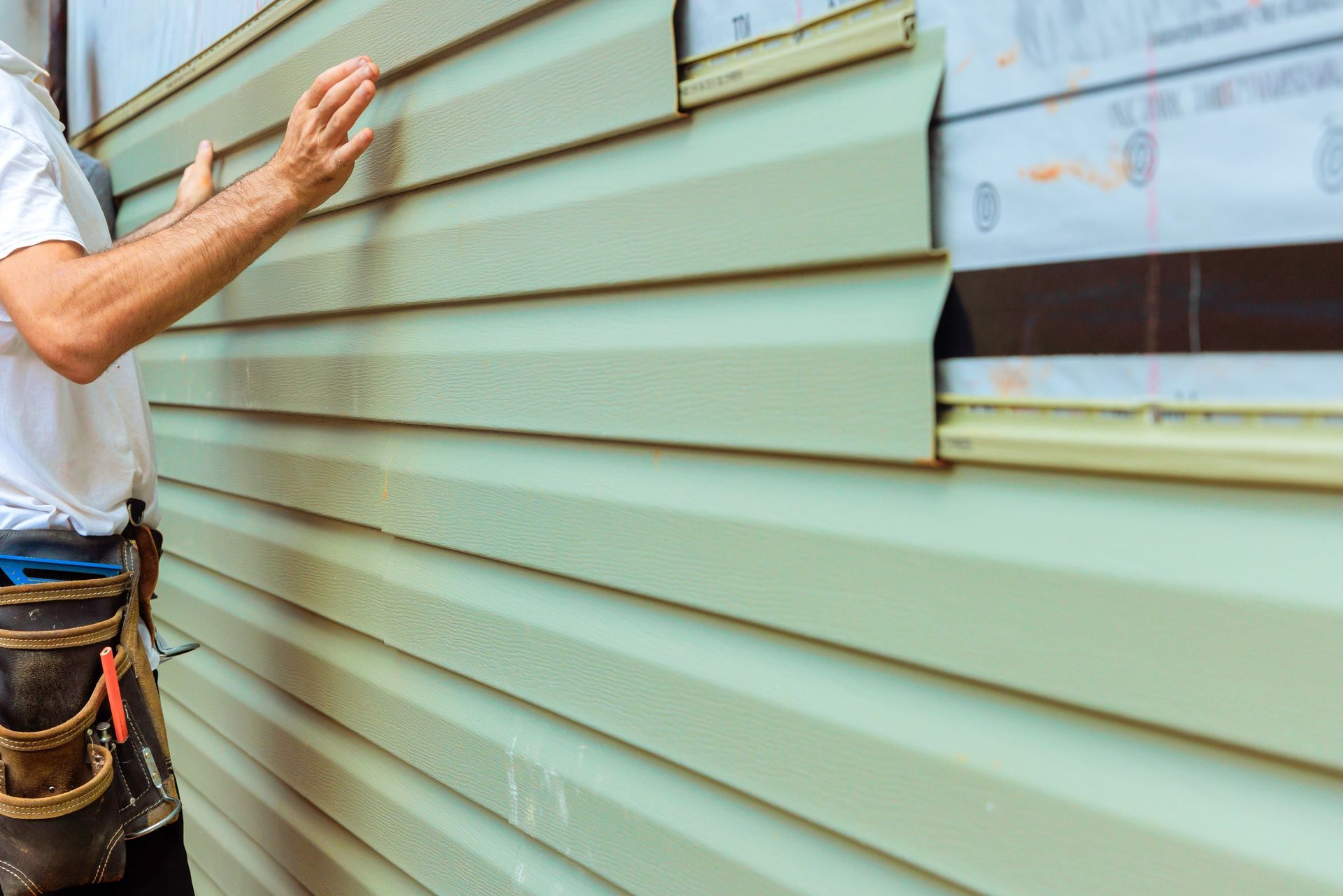
The installation process begins with an assessment of your existing wall assembly, including inspection of the sheathing and moisture barrier behind the old siding. Damaged sections are repaired or replaced before new siding goes up, so you're not covering problems that will worsen over time. The siding itself is custom-fit to your home's dimensions and fastened according to manufacturer specifications, which matters when high winds test the hold strength of every nail and seam.
If your siding is cracked, warped, or pulling away from the wall in Cedar Hill, schedule a consultation to discuss material options and installation timing.
Matching Material Performance to Texas Climate Conditions
You choose from siding materials that handle heat expansion, resist UV degradation, and maintain their fastener integrity during storms. Vinyl, fiber cement, and engineered wood each respond differently to the freeze-thaw cycles and summer heat that define the region's weather patterns, so the recommendation depends on your home's exposure, your maintenance preferences, and how long you plan to keep the current exterior.
After installation, you'll notice that the exterior walls sit flush and uniform, with no gaps at the seams or visible warping along the panels. Water runs down the face of the siding and into the gutter system instead of seeping behind the panels, and your home's insulation performs better because the thermal envelope is intact. Quick Roof Repairs completes the installation with attention to trim work, corner joints, and penetration seals around windows and utilities, so the finished system functions as a continuous barrier.
The process includes removal and disposal of old siding, repair of underlying damage, installation of new moisture barriers if needed, and fastening of the new siding with corrosion-resistant hardware. If your home has architectural features that require custom cuts or special flashing, those details are addressed during installation, not patched later. This service does not include structural wall repair beyond sheathing replacement or interior finish work behind the siding.
What Homeowners Ask About Siding Replacement
Many homeowners in Cedar Hill want to understand material differences, installation timelines, and what happens to the wall assembly during the changeover.
What material works best for homes in North Texas?
Fiber cement resists heat warping and holds up to hail better than vinyl, but it requires periodic painting, while vinyl is lower maintenance and expands or contracts with temperature changes that can stress fasteners over time.
How long does a full siding installation take?
Most single-family homes take between four and seven days depending on the size, the number of corners and windows, and whether sheathing repairs are needed once the old siding is removed.
What happens to the old siding during installation in Cedar Hill?
The old siding is removed in sections, inspected for underlying damage, and disposed of off-site, while the moisture barrier and sheathing are evaluated and repaired before the new material is fastened.
Why does siding need a moisture barrier?
The barrier prevents water that gets past the siding surface from soaking into the sheathing or framing, which causes rot, mold, and structural weakness that won't be visible until the damage is severe.
When should you replace siding instead of repairing it?
You replace when more than thirty percent of the surface is damaged, when the underlying sheathing shows rot or water staining, or when the siding has reached the end of its expected lifespan and repairs would only delay the inevitable.
Quick Roof Repairs works with homeowners throughout Cedar Hill who are replacing outdated or damaged siding systems. If your exterior is showing signs of failure or you're planning a full home renovation, contact us to review material options and schedule an installation timeline that works around your occupancy needs.